
Description
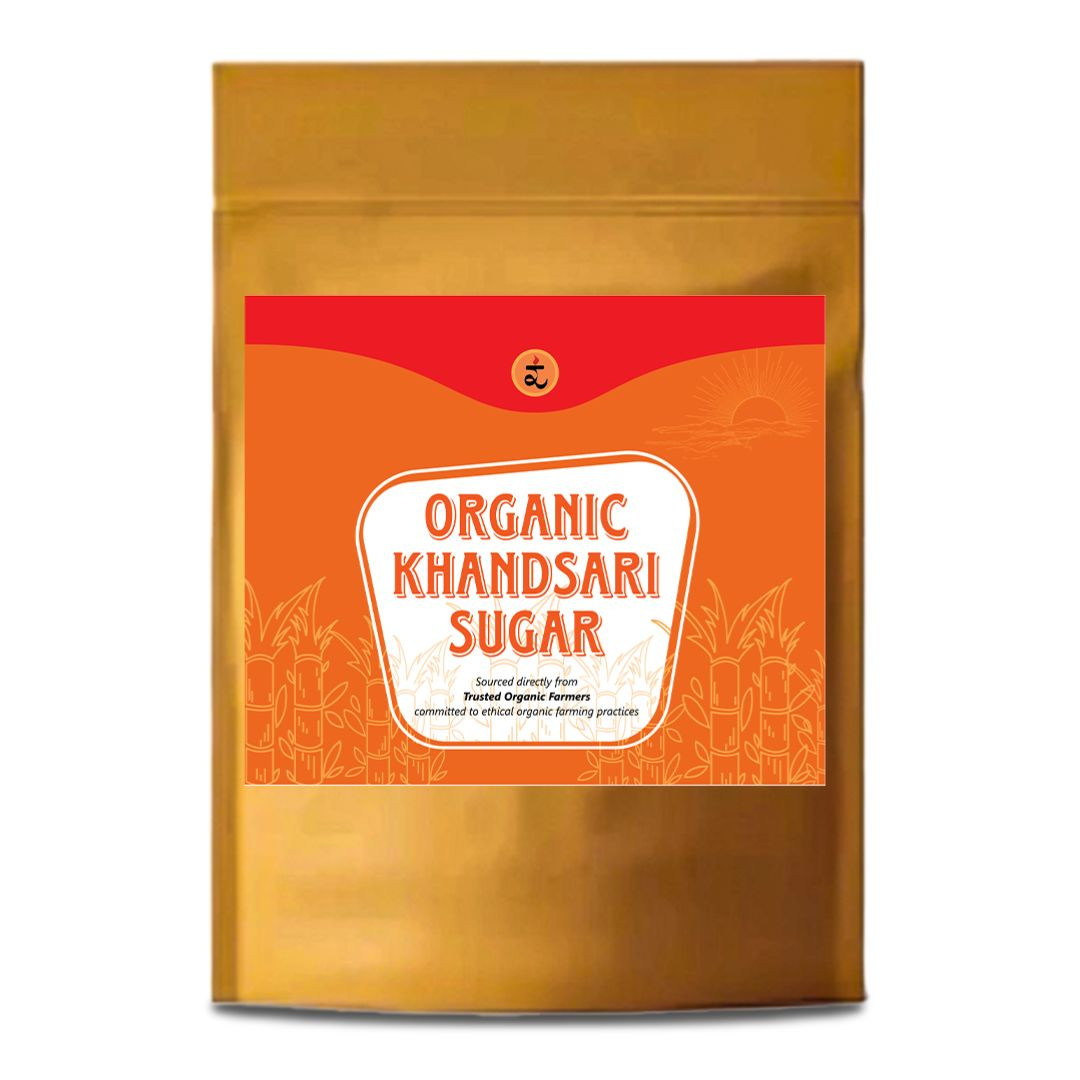
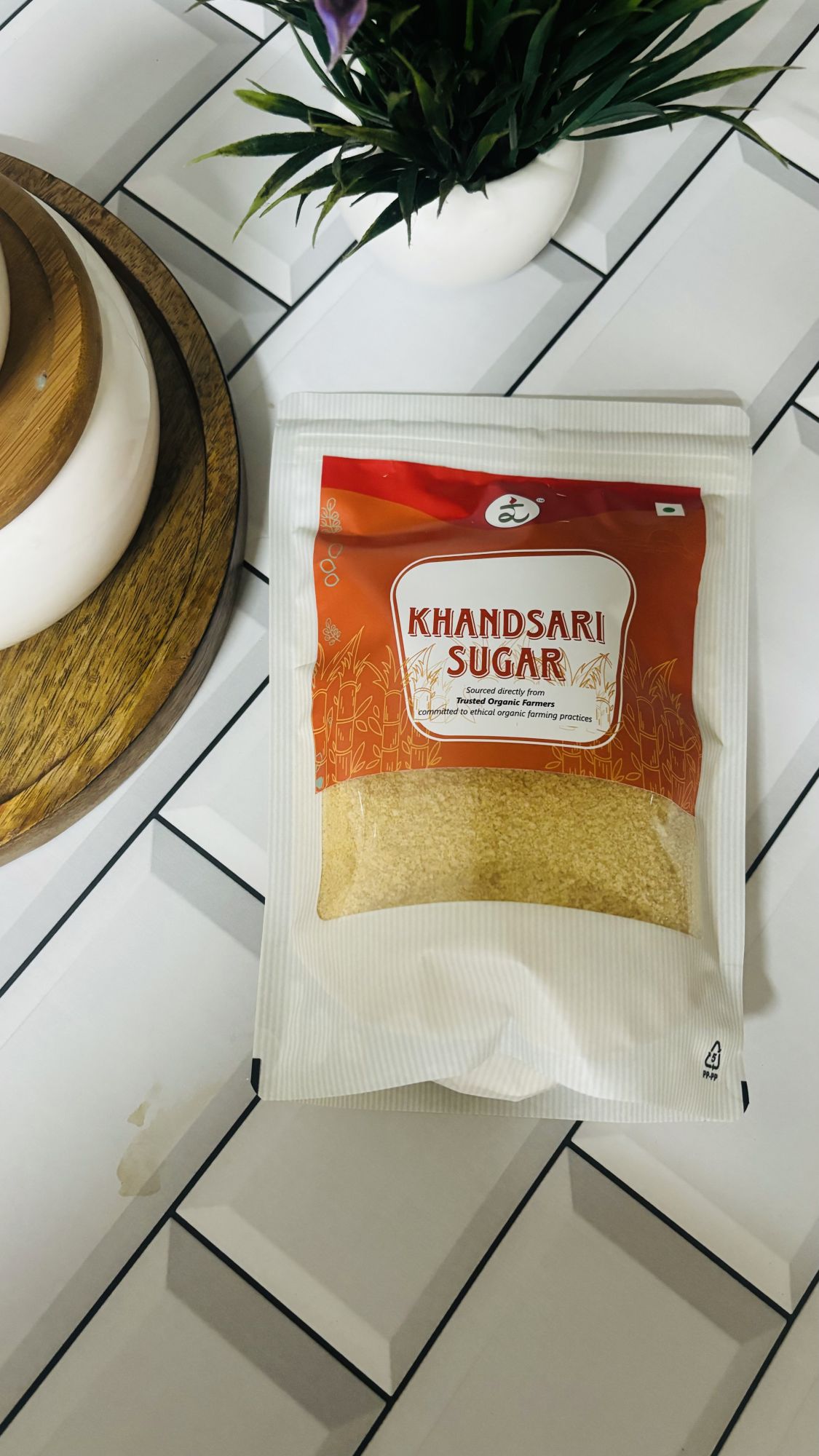
Khandsari Sugar, also known as Raw Sugar, is a traditional, unrefined sweetener made from sugarcane juice. Unlike white sugar, it undergoes minimal processing—free from chemicals and additives—retaining the natural molasses, nutrients, and earthy flavor of sugarcane.
This centuries-old method of production preserves its color, taste, and nutritional value, making it a healthier alternative to refined sugar.
Key Benefits of Khandsari Sugar
- Chemical-Free Sweetener: No sulphur, no bleaching agents—just pure, sun-dried sugarcane goodness.
- Rich in Minerals: Contains trace minerals like calcium, iron, and magnesium due to minimal processing.
- Supports Digestion: Traditionally believed to aid digestion when consumed in small amounts after meals.
- Lower Glycemic Index: Compared to refined sugar, it may cause slower spikes in blood sugar (ideal in moderation).
- Eco-Friendly Production: Crafted using sustainable, traditional methods that are less energy-intensive.
How to Use Khandsari Sugar
- Daily Sweetener: Use as a direct replacement for white sugar in tea, coffee, and beverages.
- Traditional Sweets: Ideal for Indian mithai like laddoos, halwa, chikkis, and gur-based desserts.
- Healthy Baking: Enhances flavor and color in cakes, cookies, and muffins.
- Ayurvedic Recipes: Used in natural remedies and tonics for its balancing properties.
- Savory Cooking: Adds depth and mild sweetness to chutneys, sauces, and marinades.
Why Choose Khandsari Over White Sugar?
Khandsari is not just a sugar—it's a return to wholesome, traditional food. With minimal processing and maximum nutrition, it’s a conscious choice for those who care about clean eating, sustainable sourcing, and authentic taste.
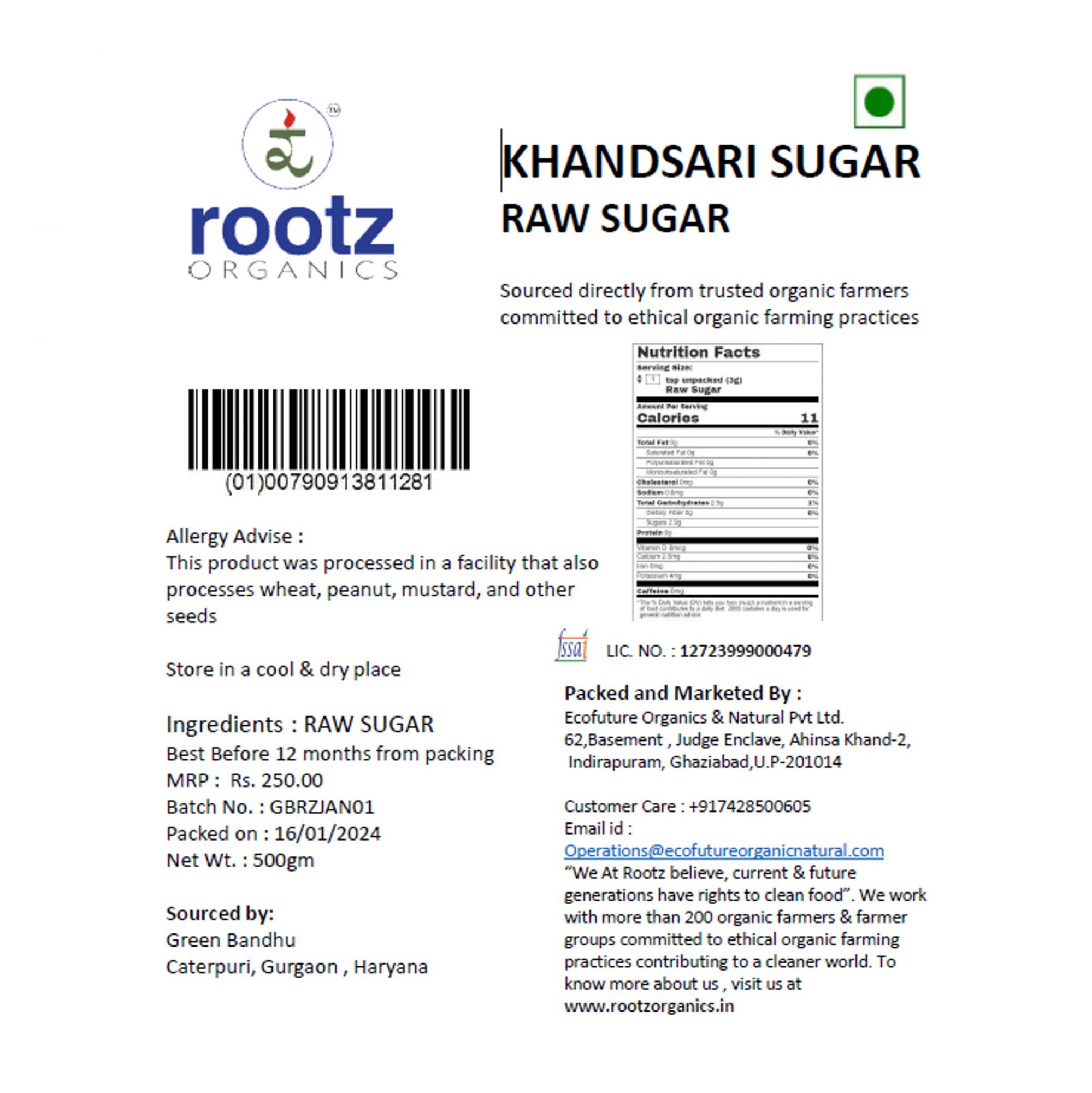
Quality Assurance: “We At Rootz believe, current & future generations have rights to clean food”. We work with more than 200 organic farmers & farmer groups committed to ethical organic farming practices contributing to a cleaner world.
Importance of organic: Opting for organic food ensures that it has been grown without synthetic pesticides, fertilizers, or genetically modified organisms (GMOs). Organic farming practices prioritize soil health, biodiversity, and environmental sustainability.


